

Healthcare environments are complex, fast-paced, and highly functional spaces. The layout of a medical office directly affects how efficiently patients are seen, how staff operate, and how smoothly daily workflows run.
Strategic space planning ensures that every square foot supports both patient care and operational efficiency.
Why Patient Flow Matters
Patient flow refers to how individuals move through a healthcare facility — from check-in to treatment to checkout. Poorly designed layouts can lead to delays, congestion, and frustration.
Effective layouts:
- Reduce bottlenecks and wait times
- Improve communication between staff
- Enhance privacy and patient comfort
- Streamline check-in and discharge processes
When patient flow is optimized, the entire practice operates more efficiently.
Separating Public and Clinical Spaces
A well-designed medical office clearly defines zones for different functions. This includes:
- Reception and waiting areas
- Exam and treatment rooms
- Administrative and billing offices
- Staff-only areas
Separating these spaces improves organization, privacy, and workflow clarity.
Supporting Staff Efficiency
Healthcare staff need spaces that allow them to work quickly and effectively. Poor layout design can slow down processes and increase stress.
Design considerations include:
- Centralized nurse stations
- Convenient access to supplies and storage
- Logical placement of exam rooms
- Clear sightlines for supervision and communication
Efficient layouts allow staff to focus on patient care instead of navigating obstacles.
Integrating Furniture Into Workflow
Furniture should support how the space functions, not just fill it. Proper selection ensures:
- Exam rooms are organized and accessible
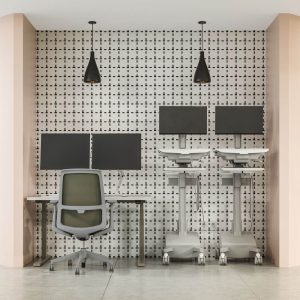
- Workstations support documentation and technology
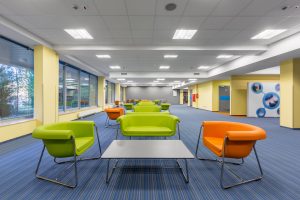
- Waiting areas remain comfortable and functional
- Storage solutions reduce clutter
Furniture and layout must work together seamlessly.
Planning for Growth and Flexibility
Healthcare practices often evolve. Expanding services, new providers, or increased patient volume require adaptable spaces.
Flexible planning allows for:
- Future reconfiguration
- Additional exam rooms
- Updated technology integration
- Changing workflow needs
Planning ahead reduces the need for costly renovations.
Creating a Better Patient Experience
When layouts are intuitive and efficient, patients experience shorter wait times, clearer communication, and greater comfort. This leads to improved satisfaction and stronger trust in the practice.