

Educational spaces must balance collaboration and concentration while remaining flexible enough to support evolving curriculum and technology. Strategic space planning paired with the right furniture creates environments that meet these demands.
The Importance of Intentional Space Planning
Space planning ensures that learning environments support how students and educators actually use them. This includes evaluating:
-
Classroom layouts
-
Circulation and movement
-
Technology integration
-
Storage needs
-
Accessibility and compliance
Intentional planning reduces distractions and supports smoother daily operations.
Creating Zones Within Learning Spaces
Modern classrooms benefit from defined zones, such as:
-
Instruction areas
-
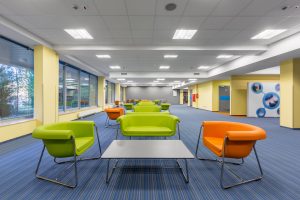
Group collaboration zones
-
Independent study spaces
-
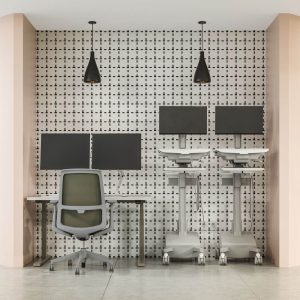
Technology-enabled stations
Furniture plays a key role in defining these zones without permanent walls or construction.
Supporting Faculty and Staff
Educational furniture design extends beyond classrooms. Faculty offices, administrative areas, and shared workspaces also benefit from thoughtful planning.
Efficient layouts support:
-
Collaboration between staff
-
Focused administrative work
-
Student meetings and advising
-
Storage and organization
Well-designed staff spaces contribute to smoother educational operations.
Flexibility for Changing Needs
Curriculum changes, enrollment shifts, and evolving teaching methods require adaptable environments. Modular furniture and scalable layouts allow institutions to adjust without major disruption.
This flexibility helps schools and universities:
-
Respond to new programs
-
Support technology upgrades
-
Optimize existing facilities
Designing for Long-Term Success
Educational environments should be designed not just for today, but for years to come. Strategic space planning and furniture selection ensure spaces remain functional, engaging, and adaptable.
By investing in thoughtful design, institutions create environments that support learning, collaboration, and growth.